Garden Maintenance in Notting Hill

Garden maintenance in Notting Hill needs a careful, regular approach that keeps outdoor spaces tidy, healthy and usable without overworking planted areas. Our service focuses on the routine tasks that help gardens stay in good shape through the seasons, including mowing, trimming, border care, leaf clearing and general upkeep. For homeowners, landlords and property managers, that means a consistent standard of presentation and the right attention for lawns, shrubs, beds and access areas. We work to maintain order, reduce overgrowth and support healthier growth rather than push unnecessary changes.
The work can be shaped around the condition of the garden and the features already in place. Some spaces need steady mowing and edging; others benefit more from hedge trimming, pruning of manageable shrubs, clearance of seasonal debris or a planned maintenance visit after a period of neglect. We can also combine several routine tasks in one visit so the outdoor area feels cared for as a whole. If you are comparing options, start with the tasks that matter most to the space and build from there. Please request a quotation if you would like a tailored plan.
For straightforward booking, it helps to describe the size of the garden, the type of surfaces involved and any access points or restrictions that may affect the work. A few clear details allow the right scope to be discussed without guessing, particularly where there are lawns, hedges, shared paths or planted borders that need different attention. If you already know which jobs are most pressing, mention them first. You can also ask for a quote once the main priorities are clear.
Routine Garden Care and Seasonal Visits
Routine garden care is about keeping on top of tasks before they become larger problems. In a busy area like Notting Hill, outdoor spaces often need a practical schedule rather than a one-off tidy-up. Regular visits can cover lawn mowing, edging, pruning of soft growth, weeding where appropriate and the removal of routine green waste. The goal is a garden that remains presentable and manageable, with less chance of plant material becoming tangled, shaded or difficult to cut back later.
Seasonal work can be just as important as weekly or fortnightly upkeep. In spring, gardens may need more shaping and clearing after winter growth; in summer, trimming and mowing tend to keep structure under control; and in autumn, leaf removal and border attention help prevent slips, smothering and general clutter. Our maintenance approach can be adapted to the time of year and the condition of the space, rather than following a rigid checklist that ignores how the garden actually grows.
Good maintenance also protects the appearance of paths, entrances and edges. A tidy boundary line, neatly cut lawn edge and clear route through the garden can make the whole area feel more settled. Where a property has both decorative planting and practical access, we can focus on keeping the main features attractive while leaving enough room for everyday use. Regular upkeep is often the simplest way to preserve that balance.
Lawns, Edges and Green Waste
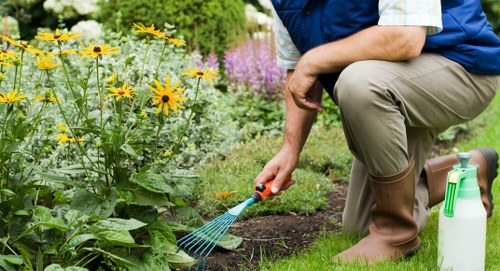
A lawn needs more than a quick cut if it is to stay healthy and even. Grass height, cutting direction, edge definition and the handling of clippings all affect the final result. Our lawn mowing work aims for a neat finish that suits the property, whether the lawn is small and formal or more informal and used as part of a wider garden design. Where needed, edging can sharpen the line between grass and borders, helping the garden look finished rather than simply cut.
Green waste handling is part of sensible maintenance, especially after trimming or clearing growth that has built up over time. Cuttings, fallen leaves and small branches can be collected and removed so the garden is left ready to use. This is especially useful where the property has limited storage space or where waste should not be left stacked in the open. If waste needs separating by type, that can be discussed as part of the job so the work is handled in a tidy and organised way.
Useful lawn and clean-up tasks can include:
- regular mowing to keep grass manageable
- edging along borders, paths and paved sections
- collection of clippings, leaves and light debris
- tidying after pruning or soft growth reduction
- light general clear-up of visible surface litter from garden areas
Hedge Trimming and Shrub Control
Hedges and shrubs bring shape and privacy to a garden, but they also need trimming to stop them from spreading unevenly or blocking paths and windows. Our hedge trimming service is designed to keep growth controlled while preserving the natural character of the plant. That means working with the size, species and position of the hedge rather than cutting everything into the same profile. A careful trim can improve light, symmetry and access without stripping a hedge back too hard.
Shrubs can benefit from selective reduction, thinning or shaping depending on how they grow and how much space they occupy. Some plants respond best to light annual maintenance, while others need a more measured approach to avoid stress. We can talk through what is practical for the planting in place, especially where there are mature shrubs close to walls, fences or paved areas. The aim is always to keep growth tidy while respecting the plant structure as much as possible.
If you are planning broader garden maintenance, it can be sensible to combine hedge work with lawn care and border tidying. That avoids a patchwork result where one area looks neat while another remains overgrown. It also helps create a consistent level of attention across the garden. For properties with visible front gardens or shared approaches, this kind of joined-up care can make a noticeable difference to presentation.
Landscape Gardening and Larger Improvements
Some gardens need more than routine maintenance. Where beds, layout or planting have become tired, landscape gardening work can help refresh the space in a practical way. This may involve reworking sections of the garden, improving planting areas, adjusting levels or introducing clearer structure to make the space easier to manage. The right approach depends on what already exists and how much change is actually needed, rather than forcing a redesign where simple improvements would do.
Landscape gardening often begins with problem areas: awkward corners, patchy ground, weak planting or areas that are difficult to maintain. By dealing with those parts first, the garden can become more balanced and less demanding over time. In some cases, that means replacing a cluttered layout with something simpler; in others, it means refining the existing design so that plants have room to thrive. Practical changes usually create the most lasting value.
If you are unsure whether your project is routine maintenance or something larger, it is useful to discuss the current state of the site and the outcome you want. That allows the work to be matched to the level of intervention required, whether the garden just needs clearer structure or a more substantial update. A sensible plan often combines immediate tidying with longer-term improvements, so the garden is not only neat but easier to care for in future.
Decking and Outdoor Surface Care

Decking is a useful feature in many gardens, but it needs care to stay safe and visually in step with the rest of the space. Our decking-related work sits alongside garden maintenance where timber or composite surfaces need clearing, light attention or coordination with surrounding growth. Overhanging plants, trapped debris and slippery surface build-up can all affect how the area looks and functions. Keeping the surrounding planting under control often makes the decking feel more open and easier to use.
Where decking forms part of a wider garden, it is important that the maintenance plan considers transitions between hard and soft landscaping. Grass edges, planted borders and access routes all influence how tidy the finished space feels. If a deck leads into a lawn or planted area, we can work on the surrounding sections so the whole outdoor setting reads as one cared-for space rather than separate zones. That makes a difference to both appearance and everyday practicality.
Outdoor surface care is also about avoiding unnecessary strain on finishes and fittings. Growth pushing against posts, leaves collecting in corners and damp material sitting too long can all create avoidable wear. Regular attention helps reduce that build-up and keeps the garden easier to manage. Where several maintenance tasks are needed together, it is usually simpler to combine them in one visit than to deal with each issue in isolation.
Planning Your Maintenance Visit
Most maintenance work goes more smoothly when the scope is clear from the start. A brief note on the main tasks, the approximate garden size and any particular access issues helps shape a sensible quotation. If there are pets, shared entrances, locked gates or delicate planting to work around, those details are useful too. They do not need to be lengthy; they only need to be accurate enough for the work to be planned properly.
When preparing for a visit, it can also help to think about priorities. Some customers want the lawn and edges back under control first, while others are more concerned with hedge height, border tidiness or a general clear-up. Clear priorities make it easier to agree the right order of work. If several tasks are competing for attention, we can usually discuss which ones should be tackled together and which can wait for a later visit if needed.
For a straightforward enquiry, keep the details practical: what needs doing, how often you would like it maintained and whether there are any features that require special care. You do not need to over-explain the garden. A concise description often gives the best starting point for an accurate response. Request a quotation once you are ready to compare the available options.
About Notting Hill
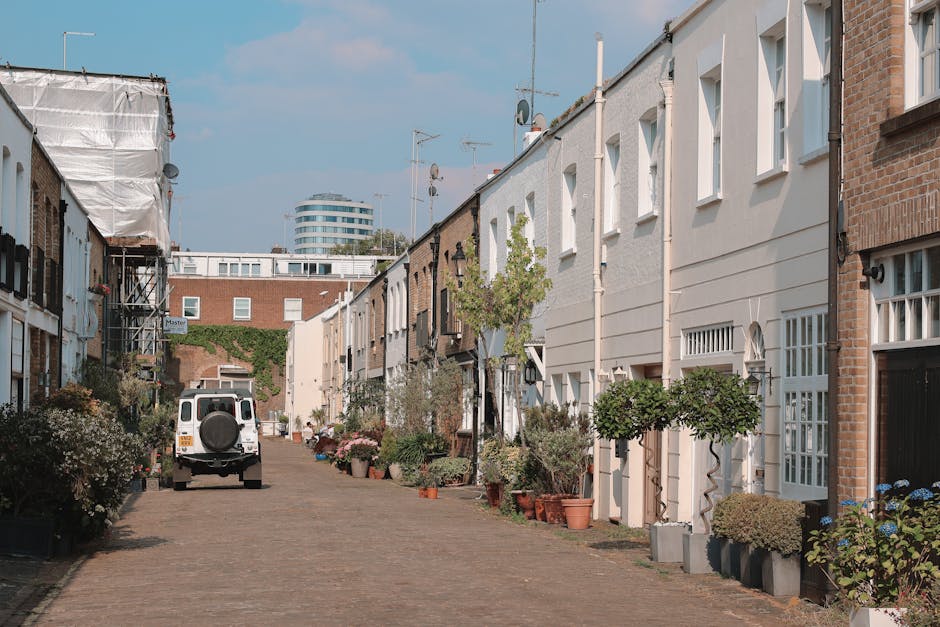
Notting Hill in west London is known for its dense residential streets, long Victorian terraces and distinctive mix of private squares, mews and local high streets. The area sits within the Royal Borough of Kensington and Chelsea, with strong links to neighbouring districts such as Bayswater, Kensington and Ladbroke Grove. Much of its character comes from nineteenth-century urban development, when large-scale housing created the tree-lined streets and patterned terraces that remain central to the area’s identity today. Portobello Road is one of its best-known thoroughfares, stretching through a lively market district that draws visitors for antiques, food and independent shops. The annual Notting Hill Carnival, established in the 1960s, has also become a major cultural event associated with the area’s diverse communities and public spaces. Beyond the busiest streets, the neighbourhood includes garden squares, smaller residential lanes and a number of mews that give the district a varied streetscape. Some of these spaces are quiet and enclosed, while others connect more directly to commercial routes and transport links. Ladbroke Square, Pembridge Square and other private or semi-private garden spaces help shape the local environment, and the surrounding architecture often combines stucco-fronted houses with later infill development. Holland Park lies just to the south-east, adding a large area of parkland close to the district. Together, these features give Notting Hill a strong sense of place, with historic building patterns, active street life and a recognisable mix of residential and cultural uses.
Clearance Before Regular Care

Some gardens need a clearance phase before regular maintenance can take over. That might mean dealing with long grass, tangled borders, light fly-tipped material or accumulated debris that has built up over time. Garden clearance is not the same as routine tidying, because it usually focuses on restoring access and revealing what is actually there to work with. Once the space is clearer, mowing, trimming and planting care become much more manageable.
Clearance work is especially helpful where shrubs have spread, self-seeded growth has filled borders or fallen material has made it difficult to reach the main features of the garden. The aim is not to strip everything back unnecessarily, but to remove what is preventing sensible upkeep. In some cases, that can mean a one-off reset before returning to lighter maintenance later. In others, it may be a more selective process that keeps important plants while reducing the clutter around them.
If your garden feels out of step with the rest of the property, a clearance visit can create a cleaner starting point for future care. It can also be combined with hedge trimming, lawn work or basic landscape adjustments where those tasks are already part of the plan. The key is to match the effort to the condition of the site so the work feels proportionate, not excessive.
What Shapes the Quotation
Quotations for garden maintenance usually depend on practical factors rather than a single fixed formula. The size of the area, the amount of growth, the number of separate tasks and the ease of access all affect the time and equipment needed. A compact but heavily overgrown garden may take longer than a larger one that is already well kept. Likewise, a property with several hedges, borders and surface types will generally need a different level of attention from a simple lawned space.
It also matters whether the work is intended as a one-off intervention or regular maintenance. Ongoing visits can be structured differently from occasional clear-ups because the work tends to be lighter and more predictable once the garden is under control. If there are any particular constraints, such as narrow access, shared entrances or delicate features near the working area, those are worth mentioning early so the scope is realistic. Accurate information helps the quotation reflect the actual task.
For properties with more than one outdoor zone, it is often useful to split the request into clear parts: lawn care, hedge work, clearance and any broader changes. That makes the overall plan easier to understand and helps avoid unnecessary duplication. If you are ready to go ahead, you can ask for a quotation and describe the jobs that matter most.
Keeping Outdoor Spaces Manageable

Well-kept gardens are usually the result of steady attention rather than occasional large interventions. Small jobs carried out at the right time can prevent bigger issues later, whether that means keeping a hedge within bounds, mowing before grass becomes difficult to cut cleanly or removing debris before it settles into borders. Garden maintenance works best when it is planned around the actual state of the space and the way it is used, not around a one-size-fits-all checklist.
That is why our service covers a broad but practical mix of tasks. A garden may need a light seasonal tidy, a more detailed reset or a regular routine that keeps everything presentable through the year. The right answer depends on how much growth needs attention and what you want the garden to do for the property. Some customers want a simple, neat finish; others need a more balanced result that supports planting, access and appearance at the same time.
To discuss the work and receive a quotation, please get in touch. If you can outline the main areas of concern, we can help shape a sensible maintenance plan for the garden in Notting Hill and keep the discussion focused on the tasks that matter most.