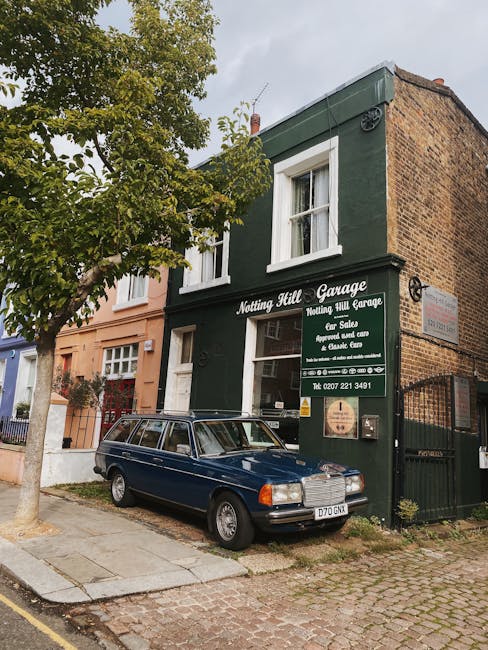
Portobello Road gardeners Notting Hill W11 terraces guide

If you live near Portobello Road, you already know the appeal: elegant terraces, compact outdoor spaces, and that slightly effortless Notting Hill look that never quite stays effortless for long. The Portobello Road gardeners Notting Hill W11 terraces guide below is for anyone trying to keep a small terrace, mews garden, balcony-edge planting area, or back patio looking tidy without losing the charm that makes the area special. In a place where every square metre matters, the right maintenance plan can mean the difference between a space that feels cramped and one that feels calm, green, and genuinely usable.
This guide breaks down how terrace gardening works in practical terms, what local homeowners and landlords usually need to think about, and how to avoid the common mistakes that waste time and money. You will also find a straightforward checklist, a comparison table, and a realistic example from everyday terrace upkeep. No fluff. Just useful detail.
Why Portobello Road gardeners Notting Hill W11 terraces guide Matters
Terraces around Portobello Road and wider Notting Hill are not the same as larger suburban gardens. They are tighter, more visible, and often part of a row of properties where the outdoor space sits right up against neighbours, shared access points, or busy street life. That changes the way gardening has to work. You are not simply "doing the garden"; you are managing light, privacy, drainage, storage, access, and kerb appeal all at once.
In practice, that means even small issues grow quickly. A planter that blocks a narrow path, ivy that creeps across brickwork, or a patch of lawn that never quite dries can make the whole terrace feel awkward. On the other hand, a well-kept terrace can make a home feel more spacious than it is. That matters for day-to-day living, and it matters if you are thinking about guests, rentals, or resale.
There is also a local style to protect. W11 terraces often look best when planting feels considered rather than overdone. Too many competing pots, for example, can make a space feel busy and hard to maintain. A neat structure, a few reliable plants, and regular upkeep usually work better. Let's face it, a terrace garden in this part of London has to earn its keep.
If you are exploring broader help for this kind of upkeep, the service mix on services overview shows how maintenance, clearance, and landscaping support can fit together without turning your outdoor space into a project that drags on forever.
How Portobello Road gardeners Notting Hill W11 terraces guide Works
Terrace gardening is usually a blend of maintenance, correction, and light design. First comes the assessment: what is already working, what is struggling, and what is simply in the way. On a typical Notting Hill terrace, the main constraints are sun exposure, limited soil volume, drainage, and access for tools or waste removal. Once those are understood, a proper plan becomes much easier.
The process often starts with basic housekeeping. That could mean clearing old pots, cutting back tired growth, removing moss from hard surfaces, or rethinking plant positions so they get the best available light. Then comes the ongoing rhythm: watering, pruning, feeding, trimming, and seasonal refreshes. Nothing glamorous, but that is the point. Most good terrace gardens are built on boring consistency. Boring works.
For many households, the work splits into two layers:
- Routine upkeep - keeping everything tidy, healthy, and manageable.
- Improvement work - upgrading planting, hard landscaping, or layout where needed.
That is where services such as garden maintenance and landscaping can be useful together. Maintenance keeps the space stable; landscaping can fix structural annoyances like poor layout, tired surfaces, or awkward boundaries.
A good gardener will also think about timing. In a terrace, working at the wrong time of year can leave exposed soil, weak plants, or an untidy look just when the street is busiest. Spring and early summer are often about renewal. Late summer can be about balancing growth. Autumn is usually the moment for cutbacks, clearing, and preparing for wetter months. Winter, to be fair, is when many people realise the drainage was never quite right.
Key Benefits and Practical Advantages
A well-managed terrace does more than look nice in photographs. The practical benefits are what make the difference week after week.
- Better use of space: careful layout opens up small terraces so they feel larger and easier to move through.
- Improved privacy: screening plants, layered pots, or trellis-based planting can soften overlooking from neighbouring windows.
- Healthier plants: regular pruning, feeding, and repositioning stops plants from competing badly for light or water.
- Lower maintenance stress: a realistic plan prevents the "it all needs doing at once" problem.
- Cleaner surfaces: moss, leaf build-up, and mud are easier to manage when maintenance is consistent.
- Better first impressions: in a street known for character, a neat terrace supports the whole property's look.
There is a quieter benefit too: a garden that feels easy to use actually gets used. You sit out for coffee. You open the doors a bit wider. You water less resentfully. Small thing, but it changes the feel of the home.
If your terrace has become cluttered, overgrown, or difficult to enjoy, a targeted garden clearance can be the clean slate that makes the rest of the work possible.
Who This Is For and When It Makes Sense
This kind of guidance is useful for a few different groups, and their needs are not identical.
Homeowners often want a terrace that looks polished but does not demand constant attention. They usually need help making the layout work harder: less clutter, more usable seating, better planting structure.
Landlords and letting agents tend to prioritise presentation and durability. A terrace has to survive between tenancies, not just look good on move-in day. In those cases, simple, hard-wearing planting and regular upkeep matter more than fussy design.
Busy professionals want something low-maintenance and reliable. They may not need a major redesign, just a clean, dependable routine so the space does not spiral into chaos by July. Happens every year, doesn't it?
Older properties or homes with traditional brickwork may need a more careful approach, especially around climbing plants, surface cleaning, and drainage. You do not want planting choices that become a headache against walls, fences, or edging.
Anyone planning an upgrade should treat maintenance as the foundation. If the terrace is currently neglected, jumping straight to decorative ideas is usually backwards. First get the space under control, then improve it.
For many properties, the best starting point is a mix of hedge trimming, basic maintenance, and a clear plan for any overgrown boundaries or screens. If trees are causing shade, debris, or access issues, the right solution may also involve tree lopping and removal, though that should always be approached carefully and only when genuinely needed.
Step-by-Step Guidance
Here is a practical way to approach a terrace garden in Portobello Road and wider W11.
- Start with a honest assessment. Look at light, drainage, clutter, plant condition, and how the space is actually used. Ignore wishful thinking for a minute. The terrace tells you what it needs if you pay attention.
- Remove anything that is no longer helping. Old pots, broken planters, dead annuals, weeds in paving gaps, and soil that has become compacted can all drag the space down.
- Define the main zones. Even a small terrace can usually support a sitting area, a planting edge, and a route through the space. If those zones blur together, the garden feels messy.
- Improve the hard surfaces. Clean paving, re-stabilise loose edging, and check for slippery patches. This makes the whole terrace feel cared for immediately.
- Review planting by height and season. Put taller or more structural plants where they give shape without blocking movement. Use seasonal plants to add interest without locking yourself into complicated upkeep.
- Set a maintenance rhythm. Weekly light checks, monthly tidying, and seasonal resets usually work better than one heroic tidy every few months.
- Deal with recurring problems properly. If a corner stays waterlogged, a fence line is too shady, or one planter keeps drying out, do not just keep replanting the same mistake.
A small but important point: terrace gardening often works best when you do less, but do it more consistently. That's the trick. A few tidy adjustments each month are better than a full restart every year.
Expert Tips for Better Results
In our experience, the terraces that stay looking good are the ones built around realism. Not perfection. Realism.
Choose containers that suit the space. Very small pots can look charming at first and then become fiddly, dry out too fast, and clutter the floor. Larger, well-proportioned containers often perform better and look more intentional.
Group plants by watering needs. Mixing thirsty plants with drought-tolerant ones in the same area creates constant compromise. If you have ever tried keeping rosemary happy next to a fern, you will know the feeling.
Use structure before decoration. A terrace with good lines, neat edges, and sensible flow will always look stronger than one packed with decorative extras. The structure does the heavy lifting.
Keep one thing simple. Maybe it is colour, maybe it is material choice, maybe it is plant variety. One calmer element helps the whole design breathe.
Check what the plants do in real life. A plant that looked lovely in a nursery can behave very differently once it is squeezed between brick walls with reflected heat and patchy shade. London terraces can be a bit peculiar that way.
Do seasonal tidy-ups before the mess becomes obvious. Once leaves pile up in corners or dead growth starts sticking out, the space already feels harder to manage. A little early intervention goes a long way.
If you are combining maintenance with longer-term improvement, the team and process information on about us can help you judge whether you need a one-off tidy, ongoing support, or a more involved upgrade.
Common Mistakes to Avoid
The biggest terrace-gardening mistakes are usually not dramatic. They are small things repeated until the space becomes annoying.
- Overcrowding the terrace: too many pots, chairs, storage boxes, and ornaments make a small space feel even smaller.
- Ignoring drainage: stagnant water, blocked outlets, and soggy planting beds cause trouble fast.
- Choosing plants only for looks: attractive but unsuitable plants can become expensive disappointments.
- Forgetting maintenance access: if you cannot reach the back corner easily, it will quietly become the worst corner.
- Letting climbing growth run unchecked: it may start charmingly and then suddenly want to own the wall.
- Using the wrong materials near surfaces: some finishes hold moisture, stain, or wear badly in shaded urban spaces.
Another common issue is trying to solve a messy terrace with more purchases. More pots. More plants. More stuff. Usually not the answer. Sometimes the strongest move is removing three things and keeping one excellent one.
If the space is badly out of control, it may be worth beginning with a proper garden clearance before making any design decisions. Otherwise you can end up decorating a problem rather than fixing it.
Tools, Resources and Recommendations
You do not need a warehouse of kit for terrace gardening, but the right basics make everything easier. The aim is not to turn your home into a shed with a view.
- Hand pruners and secateurs: useful for fine cuts, deadheading, and keeping growth neat.
- Lightweight watering can or hose solution: essential for awkward corners and container plants.
- Sturdy gloves: especially if you are dealing with thorny, woody, or compacted material.
- Spade or trowel: for planting, refreshing compost, and small-scale reworking.
- Leaf rake or hand brush: surprisingly important for keeping paving and corners tidy.
- Waste bags or collection plan: because garden waste has to go somewhere, and ideally not sit in the way for three days.
For more involved projects, it helps to think in service categories rather than random tasks. Regular lawn mowing may not apply to every terrace, but where a small lawn exists, consistency prevents a lot of stress. Likewise, surface upgrades or seating-area changes may benefit from decking services if the terrace needs a cleaner, more stable outdoor living zone.
And if you care about waste reduction, the recycling and sustainability approach is worth considering when old materials, plant waste, or worn garden items are being removed. It keeps the project a bit more sensible, frankly.
Law, Compliance, Standards, or Best Practice
Terrace gardening in London is not usually heavy on formal paperwork, but there are still sensible standards and responsibilities to keep in mind. If you live in a terrace, especially in a dense residential street, you need to think about access, neighbour relations, waste handling, and safety around tools and raised work areas.
Good practice generally includes:
- not creating trip hazards on shared or narrow paths;
- managing water so it does not run into neighbouring property or worsen drainage problems;
- avoiding overhanging or unstable growth that could fall or cause nuisance;
- handling green waste responsibly;
- using trained, insured professionals for higher-risk work.
For work that involves ladders, heavy cutting, tree-related tasks, or awkward access, safety matters more than speed. If a contractor is carrying out more technical work, it is reasonable to ask about insurance and safety and how they manage on-site risk. That is not being difficult. That is being sensible.
If you are comparing providers or planning a larger project, it also helps to understand their operating standards, including how they handle health and safety policy, payment terms, and whether their process feels clear and transparent. A good service should make the practical side feel calm, not mysterious.
For formal customer information, the pages on terms and conditions and privacy policy are worth reviewing if you want to understand how bookings, data, and service expectations are handled. Nothing exciting, admittedly, but important.
Options, Methods, or Comparison Table
There is no single right way to manage a terrace garden. The best method depends on your time, budget, and how polished you want the space to feel.
| Approach | Best for | Strengths | Trade-offs |
|---|---|---|---|
| Basic regular maintenance | Busy homeowners, small terraces | Affordable, steady, low-disruption | May not solve deeper layout issues |
| One-off tidy and clearance | Overgrown or cluttered spaces | Fast reset, visible improvement | Needs follow-up to stay effective |
| Maintenance plus landscaping | Spaces needing both care and improvement | More complete result, better flow | Usually more time and planning required |
| Structural upgrades with decking or hard landscaping | Terraces used as outdoor living areas | Cleaner zones, easier upkeep, stronger finish | Higher commitment and more installation work |
For many W11 terraces, the sweet spot is somewhere between basic maintenance and light improvement. That usually gives the best balance of character and control.
Case Study or Real-World Example
Here is a realistic example, stripped of drama. A compact terrace near Portobello Road had become one of those spaces that looked fine from a distance but felt frustrating up close. The owner had a handful of mismatched pots, a narrow path that kept getting blocked, and a couple of climbing plants that had grown more enthusiastic than intended. By mid-summer, the place looked busy, a bit tired, and oddly smaller than it should have.
The first step was not redesigning everything. It was clearing out the dead material, lifting a few overcrowded containers, and creating a cleaner route through the space. Then the planting was simplified so the eye had somewhere to rest. The result was not flashy, but it worked: the terrace looked calmer, easier to maintain, and more suitable for daily use.
The useful lesson? You do not need to turn a terrace into a show garden to make it feel good. In fact, most people are happier when the space feels natural, practical, and a little easy-going. A terrace should support your life, not become another thing demanding attention every weekend.
In that example, the owners later added a bit more structure through landscape gardening support, which helped the garden settle into a shape that made maintenance simpler from then on. That is usually the long game worth aiming for.
Practical Checklist
Use this checklist before you book work or start tidying a terrace yourself.
- Check how much direct sun the terrace actually gets during the day.
- Look for standing water, blocked drainage, or slippery patches.
- Remove broken, unused, or duplicate pots and containers.
- Decide which plants are worth saving and which ones are just taking up space.
- Make sure paths and seating areas are easy to move through.
- Confirm whether you need routine maintenance, a one-off clearance, or a larger redesign.
- Review whether hedges, climbers, or small trees need attention.
- Think about waste removal and recycling before the work starts.
- Ask how safety is handled if ladders, cutting tools, or heavier tasks are involved.
- Set a realistic upkeep schedule you can actually stick to.
Expert summary: The best terrace gardens in Notting Hill are usually not the most elaborate. They are the ones with a clear structure, manageable planting, and regular care that quietly keeps everything in line. That is the real win.
If you are at the point of comparing support options, take a look at pricing and quotes so you can judge the level of service against the work your terrace actually needs.
Get a free quote today and see how much you can save.
Conclusion
A terrace near Portobello Road should feel like an asset, not a nuisance. With the right approach, even a small outdoor space can become one of the nicest parts of the home: tidy, private, and easy enough to enjoy without a full weekend lost to maintenance. The secret is not chasing perfection. It is choosing a plan that suits the space, the season, and your real life.
Start with the essentials, fix what is clearly not working, and build from there. If the space needs ongoing care, keep the routine simple. If it needs a reset, clear it properly first. If it needs structure, invest in the layout before piling on decoration. Small decisions, done well, make a big difference.
And honestly, that is what good terrace gardening in Notting Hill is all about: making a compact space feel generous, calm, and lived-in in the best possible way.
Frequently Asked Questions
What does a terrace gardener do in Notting Hill W11?
A terrace gardener usually handles maintenance, pruning, planting, clearance, and small-scale improvements for compact outdoor spaces. In W11, that often means working around limited access, paving, pots, screening, and the practical needs of city living.
How often should a small terrace garden be maintained?
Most terrace gardens benefit from light weekly checks and a more thorough monthly tidy, with seasonal work as needed. If planting is dense or fast-growing, the schedule may need to be more frequent.
Is garden clearance useful before terrace redesign work?
Yes, often it is the best place to start. Clearing old pots, dead plants, broken items, and clutter gives you a proper view of the space so you can make better decisions about layout and planting.
Can a very small terrace still look elegant?
Absolutely. Small terraces often look best when the design is restrained and the structure is clear. A few well-chosen planters and tidy surfaces usually beat a crowded, over-decorated look.
What are the most common terrace gardening problems in urban London homes?
The usual issues are poor drainage, too much clutter, awkward shade, dry planting in hot corners, and plants that outgrow the available space. Access can also be a challenge, especially in narrow side return or upper-level terraces.
Do I need landscaping or just maintenance?
If the space is basically fine but untidy, maintenance may be enough. If the terrace has poor flow, tired surfaces, or a layout that does not work, landscaping is more likely to help.
Are decking and hard landscaping suitable for terraces?
They can be, especially where the aim is to create a clean seating area or reduce the amount of messy planting. The key is choosing materials and finishes that suit the space and do not create avoidable maintenance issues.
What should I ask before hiring a gardener for a terrace?
Ask what is included, how waste is handled, whether they have suitable insurance, how they approach safety, and whether they can help with both maintenance and improvement work. Clear answers usually tell you a lot.
How do I keep terrace plants from becoming too high-maintenance?
Choose plants with similar water needs, avoid overcrowding, and keep the overall design simple. It also helps to use larger containers and to remove anything that is repeatedly failing in the same spot.
Is hedge trimming relevant for terrace gardens?
Yes, where hedges or boundary screens are part of the terrace layout. Trimming helps maintain privacy, stop overgrowth, and keep the area feeling neat rather than boxed in.
What should I do if the terrace keeps getting messy after every tidy-up?
That usually means the layout is wrong, storage is inadequate, or the planting plan is too ambitious for the space. A more structural fix, not just repeated tidying, is often the answer.
How do I decide between a one-off service and regular garden maintenance?
If the terrace is mostly under control, regular maintenance is usually the smarter long-term choice. If it has built up lots of clutter or overgrowth, a one-off reset first may be more effective.
Where can I learn more about the company behind these services?
You can read more about the team on the about us page and review service information through the services overview. If you need to ask something specific, the contact us page is the natural next step.