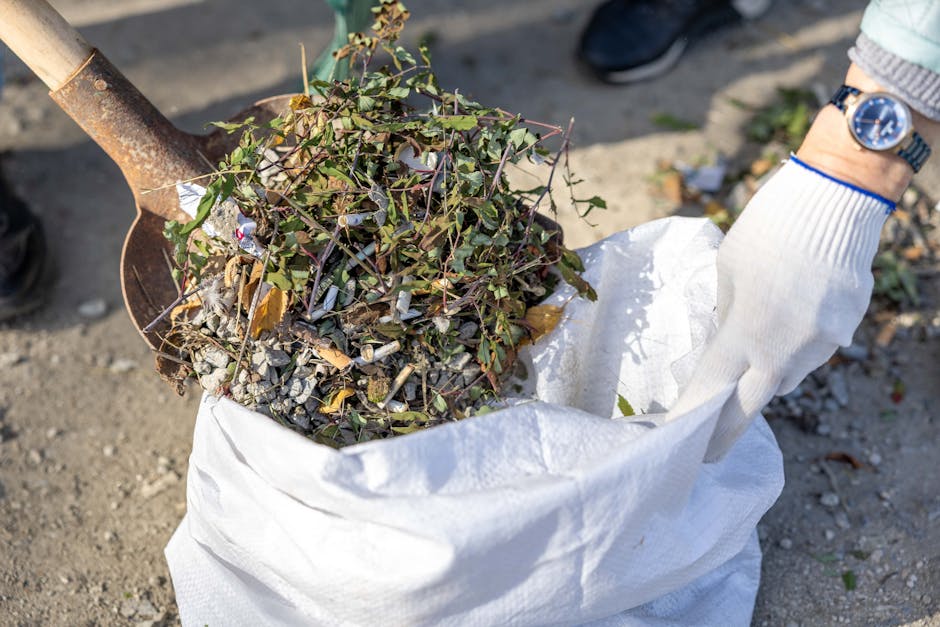
Same day gardeners Notting Hill emergency garden clearances
When a garden suddenly gets out of hand, you do not always have the luxury of waiting until next week. A fallen branch after a windy night, overgrown waste before a tenancy check, or a front garden that has become a trip hazard can all create a very real same-day problem. That is where Same day gardeners Notting Hill emergency garden clearances come in: quick, practical help to make a space safe, tidy, and usable again without the drama.
In this guide, you will find out how emergency garden clearance works, what it usually includes, who needs it most, and how to avoid the common mistakes that slow everything down. We will also cover sensible expectations around access, safety, disposal, and planning. If you are weighing up your options, a good place to start is the wider services overview and the dedicated garden clearance service.
Truth be told, most urgent garden jobs are less about perfection and more about getting control back quickly. That can mean clearing debris, removing broken branches, cutting back heavy growth, or making a site safer for residents, visitors, or contractors. Let's face it, when things are messy and time is tight, clarity matters.
Contents
- Why same day emergency garden clearance matters
- How the service works
- Key benefits and practical advantages
- Who needs it and when it makes sense
- Step-by-step guidance
- Expert tips for better results
- Common mistakes to avoid
- Tools, resources and recommendations
- Law, compliance, standards and best practice
- Options, methods and comparison table
- Case study or real-world example
- Practical checklist
- Conclusion
- Frequently asked questions
Why Same day gardeners Notting Hill emergency garden clearances Matters
Emergency garden clearance matters because neglected or suddenly damaged outdoor spaces can become unsafe very quickly. A wet path hidden under cuttings, unstable rubbish bags, snapped timber, or a collapsed border edge can turn an ordinary garden into an awkward hazard. In a busy part of London, where homes, shared courtyards, and managed buildings often have limited access, delays can make the job harder and more expensive.
Notting Hill properties are often compact, shared, or access-sensitive. That means garden problems do not stay local to one patch of lawn; they can affect bin access, front entrances, side passages, communal walkways, and even neighbour relations. A fast clearance can restore order before complaints stack up. And yes, sometimes the most urgent thing is simply making the place look presentable again before guests, landlords, or contractors arrive.
There is another side to it as well. Left too long, a clearance job may spread from a simple tidy-up into a bigger issue involving plant disease, broken fencing, blocked drains, or damaged decking. If you need broader support after the immediate mess is handled, garden maintenance can help keep the space from sliding back into chaos.
Expert summary: same-day clearance is most valuable when speed, safety, and access matter more than a perfect finish. The goal is to reduce risk first, then refine the space once the immediate pressure is gone.
How Same day gardeners Notting Hill emergency garden clearances Works
The process is usually straightforward, but it works best when the customer gives clear information upfront. A good emergency team will want to know what happened, how urgent it is, whether access is restricted, and whether the site includes anything tricky such as waste piles, large branches, wet surfaces, or fragile planting.
Typically, a same-day response follows a practical sequence. First comes the quick assessment, either by phone or on arrival. Then the team decides what can be tackled immediately, what needs specialist handling, and what should be left alone for safety reasons. After that, the clearance begins: cutting back overgrowth, lifting debris, loading waste, and making the area safe to walk through.
In many cases, the job is not just "clear it and go." It may also involve sorting waste types, separating green material from harder debris, and checking whether items need special handling. That is where experience makes a difference. A seasoned gardener sees the difference between simple garden clutter and something that might need a slower, safer approach.
For jobs that involve tree limbs, unstable trunks, or heavy storm damage, it is sensible to look at a specialist option such as tree lopping and removal. Not every branch needs a chainsaw; sometimes it just needs a calm assessment and the right tool. Simple enough, but worth saying.
When the clearance is complete, the site should be left in a condition that is safe, accessible, and ready for the next step. That next step may be a one-off tidy, a return visit, or a more structured redesign through landscaping or landscape gardening.
Key Benefits and Practical Advantages
Same-day garden clearance is not just about speed. Done properly, it solves several problems at once.
- Restores safety quickly: loose branches, slippery cuttings, and blocked routes are dealt with before somebody trips or slips.
- Protects property presentation: this matters for lettings, sales, inspections, or simply keeping a home looking cared for.
- Reduces stress: when you are facing a garden mess at short notice, fast action brings a noticeable sense of relief. You can breathe again.
- Prevents the problem spreading: what starts as "just a few bags of waste" can become a full clear-out if ignored.
- Supports better planning: once the emergency is gone, it is much easier to see what the garden really needs next.
There is also a practical benefit people often forget: same-day clearance can save time for everyone else involved. Letting agents, landlords, builders, decorators, and neighbours all work more smoothly when access is clear. In a tight London schedule, that counts for a lot.
If you know the garden needs more than one-off intervention, combining clearance with lawn mowing, hedge trimming, or ongoing upkeep can be a very efficient next step. One visit, fewer headaches. Nice when it happens that way.
Who This Is For and When It Makes Sense
This service makes sense for anyone who needs a garden put right quickly, but some situations come up again and again.
- Homeowners dealing with storm debris, broken branches, or heavy overgrowth after being away.
- Landlords and letting agents who need a garden ready for inspection, move-in, or end-of-tenancy turnover.
- Property managers responsible for shared spaces, side entrances, or communal outdoor areas.
- Families who need a safe space for children, pets, or guests before a gathering.
- Businesses and hospitality premises where presentation and access are part of the customer experience.
- Older residents or busy households who simply cannot deal with heavy lifting or large volumes of waste themselves.
It also makes sense when a garden has become a bit of an embarrassment, to be fair. Not in a dramatic way, just in the quietly stressful way where you keep shutting the curtain because you do not want to look at it. That is usually your signal.
Emergency clearance is not always the right answer, though. If the garden only needs a routine tidy, a planned visit may be better value. If the issue is ongoing upkeep rather than a one-off crisis, regular garden maintenance will often be the smarter choice.
Step-by-Step Guidance
If you are arranging urgent help, a clear process will save time and reduce back-and-forth. Here is the most practical way to handle it.
- Describe the problem clearly. Mention whether it is storm damage, overgrowth, waste, broken fencing, or a safety issue.
- Share access details. Gates, side passages, parking limits, keypad entry, and narrow walkways all matter.
- Flag hazards. Tell the team if there are sharp objects, unstable structures, hidden steps, bees, dog waste, or waterlogged ground.
- Confirm what must be done today. Not everything needs to be perfect. Decide the non-negotiables: safe access, waste removal, or visual tidying.
- Ask what is included. Check whether loading, disposal, sweeping up, and green waste removal are all covered.
- Prepare the site. Move vehicles if needed, unlock gates, and keep pets indoors if possible.
- Walk the site after completion. A quick check helps confirm nothing important has been missed.
A small but useful detail: if there is a time pressure, say so immediately. "The agent is coming at 3 pm" is much more helpful than "sometime today if possible." Specifics make a difference, and everyone involved knows exactly what the race is against.
If the situation includes damaged hard landscaping, loose boards, or a risky platform, it may be wise to review decking services after the clearance. Clear first, then repair. That order keeps things safer.
Expert Tips for Better Results
In our experience, the best emergency clearances are the ones where the client stays focused on outcomes instead of trying to micro-manage every cut and bag. You do not need to direct every move. You need a clear brief, a realistic timescale, and a safe route through the garden. The rest tends to fall into place.
- Prioritise access before aesthetics. A clean-looking garden is nice, but safe access is the real goal on a same-day job.
- Separate urgent from non-urgent tasks. Broken branch over a path? Urgent. Border plants looking a bit scruffy? Not urgent.
- Take photos before work begins. Helpful for your own records, especially if you are managing a property or shared space.
- Be honest about the scale. If the mess looks bigger than you first thought, say so. Nobody benefits from pretending it is a small job when it is not.
- Think about disposal early. Green waste, mixed waste, and bulky garden debris may need different handling.
Another useful tip: if you already know the garden will need follow-up attention, book that conversation while the site is still fresh in your mind. It is much easier to plan next steps when you are standing in the cleared space, hearing birds again and seeing where the real problems sit.
For longer-term improvements, combine the clearance with the full services overview so the garden does not drift back into the same state two weeks later. That happens more often than people like to admit.
Common Mistakes to Avoid
Urgent jobs can go wrong for fairly ordinary reasons. The good news is that most of them are avoidable.
- Calling too late: if you know there is an inspection or event coming, do not leave the clearance until the last minute.
- Under-describing the problem: "It is a bit messy" can mean anything from light leaf fall to a full blocked access route.
- Ignoring hidden hazards: broken glass, nails, unstable branches, and slippery surfaces matter more than people think.
- Choosing only on speed: same-day availability is useful, but safety and proper disposal still matter.
- Forgetting the aftercare: if the garden stays unmanaged, the same issue often returns quickly.
One easy mistake is assuming that any green waste can simply be bundled up and forgotten. It cannot. A proper clearance should leave the site tidy and the removed material handled responsibly. That is why a service that also thinks about recycling and sustainability can be a better fit than a rushed, throw-it-anywhere approach.
And yes, there is such a thing as over-clearing too. Sometimes people remove more than needed, strip the garden bare, and then regret it later. A good gardener knows the difference between rescue and overcorrection.
Tools, Resources and Recommendations
Emergency clearance usually calls for a practical kit rather than fancy gear. The exact tools depend on the job, but the basics often include cutting tools, rakes, bags, tarps, gloves, wheelbarrows, and loading equipment. On tougher jobs, you may also need saws, loppers, and protective equipment for safer handling.
From a customer point of view, the most useful resources are often the simplest:
- A clear list of priorities so everyone knows what must be fixed today.
- Access notes covering gates, parking, neighbours, and shared entrances.
- Photos or short videos to explain the problem before the team arrives.
- A realistic budget range so you can decide what level of service makes sense.
- Follow-up maintenance plan so the garden stays under control after the emergency.
If you want a better sense of value and what different work packages may include, review pricing and quotes before booking. That will help you compare same-day action with broader, longer-term care.
For customers who prefer a simple, well-organised process, it can also help to read the company's about us page so you understand how the service is set up and what kind of work it focuses on. A little context goes a long way, honestly.
Law, Compliance, Standards, or Best Practice
For emergency garden clearance, compliance is mostly about common-sense best practice, safe working, and proper waste handling. While the exact obligations depend on the property, the work, and the materials involved, there are a few principles that are worth keeping in mind.
First, garden work should be carried out safely. That means using suitable equipment, protecting workers and occupants, and avoiding unnecessary risk when branches, fences, or heavy debris are involved. If the job touches on more technical or hazardous work, such as unstable trees or larger removals, a specialist approach is sensible. Safety first, always.
Second, waste should be handled responsibly. Green waste, mixed debris, and bulky material should not be dumped casually. Good practice is to sort, load, and remove it in a way that keeps the site tidy and reduces avoidable environmental impact. If this matters to you, a provider that discusses recycling and sustainability shows the right mindset.
Third, if a garden is part of a rented or managed property, keep records of what was done and why. That can be very useful if there are later questions from tenants, neighbours, insurers, or managing agents. Nothing fancy. Just sensible documentation.
Finally, if you are comparing providers, review their insurance and safety information and their health and safety policy. Those pages are often where a professional service quietly proves it takes the work seriously.
Options, Methods, or Comparison Table
Not every urgent garden problem needs the same kind of response. Sometimes a quick tidy is enough. Other times, you need a fuller clearance or a more structured maintenance plan. This table gives a simple way to think about the options.
| Option | Best for | Typical speed | What it solves well | Possible limitation |
|---|---|---|---|---|
| Same-day emergency clearance | Urgent access issues, storm debris, pre-inspection tidy-ups | Fastest | Safety, access, immediate presentation | May focus on priority areas rather than full redesign |
| Standard garden clearance | Overgrown or cluttered gardens without immediate time pressure | Moderate | Thorough clearing, better planning, fuller waste removal | Not ideal when you need action today |
| Ongoing garden maintenance | Recurring growth, seasonal upkeep, managed outdoor spaces | Scheduled | Prevents repeat build-up and keeps the garden manageable | Does not solve a same-day emergency on its own |
| Landscaping or landscape gardening | When the garden needs improvement after the clearance | Planned project | Structure, layout, longer-term usability | Usually not the first move in an emergency |
A useful rule of thumb: if someone could be injured or blocked today, go emergency. If the space is simply untidy and annoying, a standard service may be enough. If the same issue keeps coming back, maintenance is probably the missing piece.
Case Study or Real-World Example
Picture a Notting Hill mews garden after a windy evening. A large branch has dropped across the back path, clipped a planter, and scattered leaves and twigs over a narrow route used by the household and a side entrance. Nothing dramatic, but awkward. The owner is expecting visitors later that day, and the path is no longer safe or decent-looking.
In a situation like that, the first priority is not a complete makeover. It is fast clearance, safe movement, and removing the obvious hazard. The work would likely start with assessing whether the branch is stable, checking access, moving smaller debris, and clearing the route without disturbing fragile planting more than necessary. If the branch is too large or the tree itself is compromised, a specialist tree response may be needed rather than a simple tidy-up.
Once the immediate hazard is gone, the space can be swept, bagged, and checked again. The owner then has something workable: a safe path, a presentable garden, and a clearer view of what needs doing next. Maybe the hedge is too high, maybe the lawn needs attention, maybe a broader reset is due. But the emergency part is handled. That matters most.
It is not a glamorous story, obviously. But these are the jobs that save people a lot of hassle. Sometimes the best result is the one nobody notices because everything is finally back to normal.
Practical Checklist
Use this before you book or before the team arrives. It keeps the job moving.
- Identify the urgent problem: debris, overgrowth, broken branches, blocked access, or mixed waste.
- Note any hazards: slippery ground, sharp items, unstable structures, pests, or poor lighting.
- Measure access width if the garden has a narrow side passage or awkward entrance.
- Confirm whether vehicles can park close enough for loading.
- Decide what must happen today and what can wait for a follow-up visit.
- Move pets, children, vehicles, and fragile items away from the working area.
- Take a few photos for your own record.
- Ask about waste handling and what is included in the clear-up.
- Check whether aftercare, maintenance, or landscaping might be needed next.
- Review the provider's policy pages if you need reassurance on safety, payment, or complaints. Useful ones include payment and security and complaints procedure.
Quick takeaway: the better the brief, the faster the response. That is especially true on same-day jobs, where everyone benefits from plain English and no surprises.
Get a free quote today and see how much you can save.
Conclusion
Same-day gardeners in Notting Hill are most valuable when a garden problem stops being a "later" task and becomes a now task. Emergency clearance brings order, safety, and breathing room to spaces that can quickly become stressful when debris, overgrowth, or storm damage gets in the way. The goal is not to overcomplicate it. It is to restore control with as little fuss as possible.
If you are dealing with a sudden garden mess, start with the urgent parts, be clear about access, and choose a service that understands both speed and care. That balance is what makes the difference between a rushed cleanup and a proper rescue. And once the dust settles, it is always worth thinking about maintenance so you are not back in the same spot next month. A small bit of planning now can save a lot of hassle later.
Sometimes the best garden work is simply the work that lets you exhale and enjoy the space again.
Frequently Asked Questions
What counts as an emergency garden clearance?
An emergency garden clearance is any urgent job where the garden has become unsafe, inaccessible, or badly disruptive and needs attention the same day or as soon as possible.
Can same day gardeners in Notting Hill deal with storm damage?
Yes, if the damage is within the scope of a garden clearance. Loose debris, fallen branches, and blocked paths are common emergency tasks, although larger or unstable tree issues may need specialist attention.
How fast can a same-day garden clearance happen?
It depends on workload, access, and the size of the job. The fastest response usually comes when you give a clear description, photos if possible, and a realistic priority list from the start.
What should I tell the gardener before they arrive?
Share the problem, access details, parking restrictions, hazards, and any deadline you are working to. The more specific you are, the easier it is to plan the visit properly.
Is emergency garden clearance more expensive than a standard booking?
It can be, because same-day work often requires quicker scheduling and immediate response. The actual cost depends on the amount of work, the waste involved, and access conditions.
Do I need to be at home during the clearance?
Not always, but someone may need to provide access or confirm the scope of work. If you are not available, make sure instructions are clear and the team can safely reach the garden.
Will all the waste be removed the same day?
Usually, the aim is to remove the waste as part of the same visit if access and volume allow it. For larger clearances, the team may need to stage the work or arrange a follow-up.
What if the garden also needs pruning or hedge work?
That is common. A clearance may be followed by hedge trimming or broader maintenance once the urgent mess has been cleared away.
Is garden clearance the same as garden maintenance?
No. Clearance focuses on removing waste, debris, and overgrowth that has built up. Maintenance is the ongoing work that stops the garden getting out of hand again.
Can emergency garden clearance help with a property inspection?
Yes. It is often used for pre-inspection, end-of-tenancy, sale preparations, or other occasions where the outdoor space needs to look tidy and be safe very quickly.
How do I know if I need tree removal rather than clearance?
If the issue involves a damaged, unstable, or dangerous tree, a clearance alone may not be enough. In those cases, a specialist service such as tree lopping and removal may be the safer option.
What is the best next step after an emergency clearance?
Once the urgent issue is fixed, the next sensible step is usually a follow-up plan. That might be routine upkeep, lawn care, hedge work, or a wider redesign through landscaping.