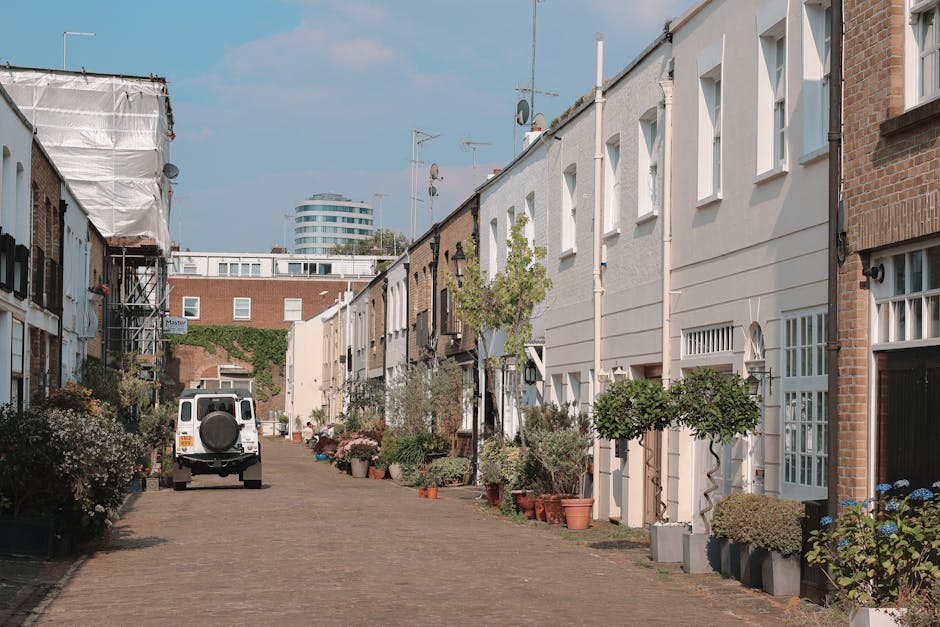
Holland Park gardeners Notting Hill real cost for weekly care
If you are trying to work out the Holland Park gardeners Notting Hill real cost for weekly care, you are probably not looking for a glossy sales pitch. You want a straight answer: what weekly garden care actually includes, what affects the price, and whether the cost makes sense for your home or managed property. Fair enough. In an area like Notting Hill and nearby Holland Park, the real price is rarely just about mowing or hedge trimming. It is about time, access, garden size, plant density, and how much tidy-up work builds up between visits.
This guide breaks the topic down in plain English. You will see how weekly care is usually structured, where costs can rise or fall, what good service looks like, and how to compare options without getting trapped by vague quotes. If you are planning regular upkeep, it also helps to understand the wider service picture through pages like services overview and pricing and quotes.
Let's face it, a garden can look lovely in June and then suddenly start asking for attention twice as fast as your week will allow. Weekly care is often the difference between a garden that stays calm and one that turns into a Saturday project you did not ask for.
Table of Contents
- Why Holland Park gardeners Notting Hill real cost for weekly care Matters
- How Holland Park gardeners Notting Hill real cost for weekly care Works
- Key Benefits and Practical Advantages
- Who This Is For and When It Makes Sense
- Step-by-Step Guidance
- Expert Tips for Better Results
- Common Mistakes to Avoid
- Tools, Resources and Recommendations
- Law, Compliance, Standards, or Best Practice
- Options, Methods, or Comparison Table
- Case Study or Real-World Example
- Practical Checklist
- Conclusion
- Frequently Asked Questions
Why Holland Park gardeners Notting Hill real cost for weekly care Matters
Weekly garden care is one of those services that sounds simple until you start comparing quotes. On the surface, it may look like a repeating visit for mowing, edging, light pruning, and litter pickup. In reality, the real cost reflects consistency. A gardener who keeps a space under control every week usually spends less time wrestling with overgrowth than someone doing a one-off rescue job.
That is why weekly care often costs differently from occasional maintenance. The job is less dramatic, but it is more disciplined. You are paying for regular attention, not just labour. And in a neighbourhood where outside space may be compact, shared, decorative, or tricky to access, small details matter. A narrow side return, mature planting, climbing growth on walls, a wobbly gate, or a basement courtyard can all change the time on site.
The phrase "real cost" matters because cheap quotes can leave out the bits people actually need. For example, the basic visit may be priced attractively, but then hedge cutting, seasonal clearance, compost removal, or extra edging becomes an add-on. Before long, the total feels a bit different. Not wildly different, but enough to notice.
For local homeowners, landlords, and managing agents, weekly care also protects property value and appearance. A tidy front garden, a clean path, and healthy planting create an immediate impression. That is especially true in Holland Park and Notting Hill, where presentation tends to be noticed. You may not get compliments every week, but people do notice when things are neglected. They really do.
If you want a broader picture of what regular upkeep can include, the garden maintenance page is a useful place to understand routine work beyond the headline tasks.
Practical takeaway: weekly garden care is usually priced around time, access, complexity, and consistency. The better the maintenance plan fits the garden, the more predictable the cost becomes.
How Holland Park gardeners Notting Hill real cost for weekly care Works
Weekly care usually starts with an assessment of the garden's current condition and the amount of routine work required. A smaller, low-maintenance courtyard is naturally different from a leafy garden with dense beds, fast-growing hedging, and frequent leaf fall. The gardener then estimates the time needed per visit, the tools required, and whether any waste removal is likely to be necessary.
In practical terms, the weekly price is often shaped by a few repeating factors:
- Garden size: more square footage normally means more mowing, edging, and clearing.
- Planting density: beds with lots of shrubs or climbers need more careful handling.
- Access: awkward gates, shared entrances, basement steps, and limited parking can add time.
- Task mix: mowing alone is one thing; mowing, hedge trimming, weeding, and pruning is another.
- Waste volume: green waste collection or bagging can affect labour and disposal costs.
- Seasonality: spring and early summer often bring faster growth, while autumn can mean leaf clearance and extra tidying.
It helps to think of weekly care as a maintenance rhythm rather than a single job. Some weeks are light: a quick mow, a sweep, and a check on borders. Other weeks are heavier. After rain, after holiday absences, or after a stretch of warm weather, growth can accelerate. A good gardener adjusts without making the billing feel random.
Many clients also combine weekly care with occasional specialist tasks. For example, hedge work may be booked through hedge trimming, lawn-focused work through lawn mowing, and larger overgrown jobs through garden clearance. That mix can keep the weekly visit efficient, which is often better for the budget in the long run.
One small but important thing: real cost is also shaped by what happens after the visible work. Does the team leave paths swept, bins neatly closed, and clipped material removed? Or do you end up doing a second pass yourself? That second pass is hidden cost, even if nobody puts it on an invoice.
Key Benefits and Practical Advantages
There is a reason weekly garden care keeps getting chosen by busy households and property managers. It simply prevents small problems from becoming awkward ones. A little regularity goes a long way. Not glamorous, but effective.
1. Better visual consistency
Weekly maintenance keeps the garden looking intentional. Lawns stay neater, edges stay sharper, and borders do not drift into chaos. If you entertain often, rent a property, or just like seeing order out of the kitchen window on a grey Tuesday morning, this matters more than people admit.
2. Lower risk of expensive catch-up work
A garden left alone for too long usually needs more than standard maintenance. Weeds root deeper, hedges bulk out, lawns become patchy, and debris builds up. That can push a routine visit into a bigger, more expensive job. Weekly care helps flatten those spikes.
3. Healthier plants and lawn condition
Regular observation catches early signs of trouble: dry patches, pests, weak growth, or damaged stems. A gardener does not have to be a magician to spot issues early. Sometimes it is just about seeing the same space often enough to notice what changed.
4. Less disruption for busy households
Once weekly care is set up well, it becomes one less thing to manage. The garden quietly stays in shape, and you do not have to start every month with a list of jobs that should have been done three weeks ago. That peace of mind is worth something, even if it is hard to price neatly.
5. Better fit for premium or shared properties
In neighbourhoods where presentation counts, a regular schedule helps maintain standards across front gardens, mews spaces, and communal areas. It also supports consistency for landlords and managing agents who need reliable upkeep without constant chasing.
If your garden includes harder surfaces or design features, you may also want to look at decking services or landscaping where structural or aesthetic changes are part of the bigger picture.
Who This Is For and When It Makes Sense
Weekly care is not for every garden, and that is fine. Some spaces genuinely only need a monthly visit or seasonal work. But for many Holland Park and Notting Hill properties, weekly support makes sense if the garden is in regular use or prone to rapid growth.
This service is often a strong fit for:
- Busy homeowners who want the garden to stay tidy without losing their weekends.
- Landlords who need presentable outdoor areas between tenancies or viewings.
- Managing agents looking for predictable upkeep and fewer complaints.
- Small hotels, clinics, or offices where first impressions matter.
- Households with mature planting that needs frequent light maintenance rather than occasional heavy intervention.
It also makes sense if you already know your garden tends to "run away with itself" after a fortnight. Some gardens just behave like that. The lawn grows, the hedge bulges, and suddenly the place looks twice its age. Weekly care brings it back into a manageable rhythm.
That said, if the space is almost entirely hard landscaped, or planted with extremely slow-growing species, you may not need weekly attention. In that case, a lighter schedule or occasional support may be better value. Truth be told, not every garden needs the full package.
For clients planning a larger refresh before regular care begins, the combination of landscape gardening and ongoing maintenance can create a cleaner long-term result than trying to maintain a neglected space from day one.
Step-by-Step Guidance
If you are trying to compare gardeners and figure out the real weekly cost, use a simple process. It saves time and, more importantly, keeps comparisons fair.
- List the work you actually need. Include mowing, hedge cuts, weeding, pruning, border tidying, leaf clearance, and waste removal if relevant.
- Measure or estimate the garden size. Even a rough idea helps. A tiny courtyard and a long rear garden are priced very differently.
- Note access issues. Mention narrow side access, steps, parking restrictions, locked communal entrances, or shared spaces.
- State how often you want visits. Weekly care should be clearly defined. Every seven days? During peak season only? Year-round?
- Ask what is included. Find out whether sweeping, bagging waste, or light plant care is part of the standard visit.
- Check what counts as extra. Overgrown beds, heavy pruning, or significant waste removal often sit outside a routine visit.
- Request a written quote. Not because everyone is being difficult, but because memory is unreliable and quotes can blur together after a long week.
- Review the schedule after the first few visits. If the garden is consistently finished early or always needs extra work, the plan may need adjusting.
One useful habit is to ask the gardener to explain the quote in plain terms. A confident professional should be able to say, "This covers the weekly basics, and these are the likely extras." Clear is better than clever.
Expert Tips for Better Results
The best weekly care plans are not always the fanciest. They are the ones that fit the garden without unnecessary waste of time or money.
Keep a consistent task list
Try not to reinvent the job every visit. If the gardener knows the regular pattern, they can work faster and more effectively. For example, if the lawn is always the priority and the front path always needs sweeping, say so.
Separate routine work from project work
Weekly care should handle the ongoing stuff. Bigger changes belong elsewhere. If you need major redesigns or hard landscaping, keep that discussion separate so the weekly price stays honest. The same goes for structural issues, where something like tree lopping and removal may be a specialist job rather than part of a simple maintenance visit.
Allow for seasonal shifts
A good weekly plan in spring will not always look the same in late autumn. Growth slows, leaves fall, and priorities change. Flexible planning usually gives better value than pretending every month is identical. It isn't, of course.
Ask about continuity
Knowing whether the same gardener visits each week can matter. A familiar pair of eyes often spots changes faster and keeps standards more consistent. That personal familiarity also helps when you want something done the same way each time.
Use photographs if the site is complex
If the garden has hidden corners, unusual planting, or shared access, a few clear photos can save a lot of back-and-forth. Honestly, a picture of the side return is worth ten vague emails.
For clients who care about service standards and safety, it can also help to review pages such as insurance and safety and the company's health and safety policy.
Common Mistakes to Avoid
Weekly care seems straightforward, but a few common mistakes can make it more expensive or less effective than it should be.
- Choosing only on headline price. A very low quote may exclude waste removal, edging, or the amount of time your garden actually needs.
- Not describing access properly. If the gardener turns up and finds a locked gate or no parking nearby, the visit becomes inefficient fast.
- Mixing maintenance with one-off projects. Keeping routine care separate from larger works helps avoid confusion and budget creep.
- Assuming every week is the same. Seasonal growth changes the workload. That is normal, not a sign of poor service.
- Ignoring the cleanup. A garden can be "done" on paper and still look unfinished in real life if clippings and debris are left behind.
- Skipping a written scope. Without a clear list of what is included, people end up arguing about the obvious stuff later. Nobody enjoys that.
A smaller but sneaky mistake is failing to ask what happens when the gardener is not sure a job should be done. For example, should a tender plant be cut back now or left for another week? A sensible service will explain rather than guess.
Tools, Resources and Recommendations
You do not need to own every tool under the sun, but it helps to understand what a weekly gardener may use and why it matters to cost.
Common tools and equipment
- Lawn mower for regular grass cutting, especially where the lawn is compact and frequently used.
- Hand shears and hedge trimmers for controlled shaping rather than rough cutting.
- Pruning tools for deadheading, light shaping, and removing damaged growth.
- Leaf blowers or rakes for seasonal clearance.
- Wheelbarrows, sacks, and waste bags for moving green waste efficiently.
From a homeowner's point of view, the most useful "resource" is a clear service schedule. Even a short written note saying what happens each week can stop misunderstandings before they begin. If you want a broader service outline, the services overview and recycling and sustainability pages are helpful for understanding how regular work and waste handling may be approached.
Also, if payment terms matter to you, it is worth checking payment and security so you understand how invoices, deposits, or card payments are handled. Small admin details can save an awkward conversation later. Been there, done that, not ideal.
Law, Compliance, Standards, or Best Practice
Garden maintenance is not usually a heavily regulated service in the way some trades are, but good practice still matters. In the UK, a professional gardener should work safely, communicate clearly, and handle waste responsibly. That sounds basic, yet it is often the difference between a smooth job and a stressful one.
When comparing weekly care providers, it is sensible to consider whether they are insured, whether they have clear safety procedures, and how they manage garden waste. If they use machinery, they should operate it competently and with due care. If a property has shared access, steps, slippery surfaces, or overhanging branches, attention to safety becomes even more relevant.
For properties with larger trees or riskier pruning requirements, specialist work may be needed rather than standard weekly care. In those cases, a separate assessment is usually the sensible route. Weekly maintenance should not become a catch-all for jobs that really need specialist attention.
Best practice also includes respecting neighbours and communal spaces. Quiet working, tidy access, and leaving the site safe after completion are small things, but they matter in close residential streets. The nicer the neighbourhood, the more these details tend to count.
It is also wise to read policy pages if you want to understand how a provider handles complaints, accessibility, or ethical standards. Useful references include complaints procedure, accessibility statement, and modern slavery statement. They are not the exciting pages, admittedly, but they do signal seriousness.
Options, Methods, or Comparison Table
When people ask about weekly care costs, they are often really comparing different ways to keep the garden under control. Here is a simple comparison to help frame the decision.
| Option | Best for | Typical characteristics | Cost predictability |
|---|---|---|---|
| Weekly maintenance | Busy homes, rental properties, high-presentation gardens | Regular mowing, tidying, edging, light pruning, seasonal adjustments | High, if the scope is clear |
| Fortnightly maintenance | Medium-growth gardens, lighter use | Less frequent visits, slightly more visible growth between appointments | Moderate |
| Monthly maintenance | Slower-growing or less-used spaces | More general tidy-up work, often more catching up each visit | Lower, but more variable |
| One-off clearance | Overgrown or neglected gardens | Heavier labour, waste removal, reset before routine care begins | Low predictability |
The interesting part is this: weekly care often feels more expensive at first glance, but it can be more efficient across a season because every visit starts from a better baseline. Monthly care might look cheaper on paper and then quietly swallow more time each time someone visits. That is the trade-off.
If your property needs a hybrid approach, you may choose ongoing weekly care plus occasional specialist work, such as garden clearance after winter or extra support from landscaping when the layout itself needs attention.
Case Study or Real-World Example
Here is a realistic example from the kind of work that comes up in this part of London.
A small rear garden behind a Notting Hill townhouse was being maintained only once every three or four weeks. It looked fine for a while, then the hedge started pushing into the path, the lawn thickened unevenly, and the borders became harder to distinguish from the surrounding growth. Nothing dramatic. Just a slow slide.
When weekly care was introduced, the pattern changed quickly. The work became lighter but more consistent: a neat mow, edging, selective weeding, a sweep of the patio, and a check on the hedge line. The gardener was no longer spending half the visit catching up. Instead, each session finished cleanly, and the owners stopped feeling as if the garden was "always almost done."
The real lesson was not that weekly care is automatically the cheapest option. It is that predictable upkeep can reduce stress, reduce big interventions, and keep the garden looking loved rather than merely controlled. That emotional part matters more than people expect. Walking out to coffee at 8am and seeing a tidy garden just sets the day up better, simple as that.
In that sort of case, a well-planned package can sit alongside occasional specialist support, and the overall result is calmer, cleaner, and easier to live with. Not flashy. Just good.
Practical Checklist
Use this checklist before agreeing to weekly garden care:
- Have I listed every regular task I want included?
- Do I know how big the garden is and whether access is awkward?
- Have I asked what is included in the base visit?
- Do I understand which jobs count as extras?
- Has waste removal been discussed clearly?
- Is the schedule weekly all year, or only during growing season?
- Have I checked the provider's safety and insurance information?
- Do I know how complaints or issues are handled?
- Is the quote written and easy to compare?
- Does the service match the actual garden, not just a generic plan?
If you can answer "yes" to most of those, you are in a much better place. A bit of clarity now saves a lot of awkwardness later.
Conclusion
The real cost of weekly care from Holland Park gardeners in Notting Hill is not just about how long a gardener spends on site. It is about the shape of the garden, the level of maintenance required, access, waste, seasonality, and how clearly the job is defined. Once you look at it that way, quotes become easier to compare and far less mysterious.
For many properties, weekly care is the most practical way to keep an outdoor space neat, healthy, and genuinely usable. For others, a lighter schedule may be enough. The key is to match the service to the garden, not to guess. That is where value lives.
And if you are still comparing options, take your time. Ask the plain questions. A good gardener will not mind. In fact, the best ones usually appreciate a client who wants things properly understood from the start.
Get a free quote today and see how much you can save.
When the garden is looked after regularly, it stops being another thing on your list and starts feeling like part of the home again. That is the bit people remember.
Frequently Asked Questions
What does weekly garden care usually include?
Weekly care often includes lawn mowing, edging, light pruning, weeding, sweeping, and general tidying. The exact scope depends on the garden and the quote, so it is best to get the tasks listed clearly.
Why is weekly care sometimes more cost-effective than monthly visits?
Because the garden stays manageable. Weekly visits usually take less time than a bigger catch-up job, so the work is steadier and often more predictable across the season.
Do Holland Park and Notting Hill gardens cost more to maintain?
They can, depending on access, garden style, and presentation expectations. Compact spaces with difficult access or mature planting often take more care than a simple open lawn.
How can I tell if a quote is fair?
Check whether the quote includes the same scope of work, the same visit frequency, waste handling, and any likely extras. A fair quote is clear, not just low.
Should hedge trimming be included in weekly care?
Sometimes light hedge upkeep may be included, but full hedge trimming is often treated as a separate or periodic task. It depends on growth rate and the size of the hedge.
What makes a weekly garden visit take longer?
Overgrowth, poor access, heavy leaf fall, wet conditions, and extra tasks such as waste bagging can all extend the visit time. Even a small courtyard can take longer than expected if it has tricky corners.
Is waste removal normally part of the price?
Not always. Some gardeners include basic bagging and removal, while larger volumes of green waste may be charged separately. It is worth asking before booking.
How often should a garden in this area be serviced?
That depends on the garden's size, planting, and use. Weekly care suits active or fast-growing gardens, while some spaces only need fortnightly or monthly visits.
What if my garden has become overgrown already?
In that case, a one-off clearance may be needed first, followed by weekly maintenance to keep it under control. Starting regular care without a reset can make the first few visits more expensive.
Should I ask for insurance and safety information?
Yes. It is sensible to check that the provider has appropriate insurance and clear safety practices, especially where machinery, ladders, steps, or shared access are involved.
Can weekly care work for small courtyards?
Absolutely. Small gardens often benefit from frequent light maintenance because they can look untidy quickly if leaves, weeds, or pruning debris build up.
What is the best way to compare gardeners fairly?
Compare the scope, visit frequency, waste handling, access assumptions, and whether the quote is fixed or likely to change. Price alone rarely tells the full story.